
Behind every famous name, there is often a quieter one doing the heavy lifting. In the Bastianich story, that name is Felice.
Who Was Felice Bastianich?
Felice Bastianich was an Italian-American restaurateur, co-founder of the Bastianich restaurant dynasty, and the father of celebrity chef Joe Bastianich and Tanya Bastianich Manuali. Born on November 30, 1940, in Labin, Istria — a region that is now part of Croatia — Felice immigrated to the United States as a young man and built, alongside his then-wife Lidia, a restaurant empire that fundamentally changed how Americans experienced Italian food.
He passed away on December 12, 2010, at the age of 70, from complications of diabetes. But the world he helped build — from a 13-table restaurant in Queens to the celebrated Felidia in Manhattan — lives on in every corner of the Bastianich name.
Felice Bastianich — Quick Facts
| Detail | Information |
|---|---|
| Full Name | Felice “Felix” Bastianich |
| Date of Birth | November 30, 1940 |
| Place of Birth | Labin, Istria (now Croatia) |
| Nationality | Croatian-American |
| First Spouse | Lidia Matticchio (married 1966, divorced ~1997–98) |
| Children | Joe Bastianich, Tanya Bastianich Manuali |
| Known For | Co-founding the Bastianich restaurant group |
| Key Restaurants | Buonavia, Villa Secondo, Felidia (NYC) |
| Date of Death | December 12, 2010 (age 70) |
| Cause of Death | Complications from diabetes |
| Buried | Saint Michael’s Cemetery, East Elmhurst, Queens, NY |
Roots in Istria — A Land Between Worlds
To understand Felice Bastianich, you have to understand where he came from — and Istria is not a place most Americans could point to on a map.
Istria is a small peninsula on the northeastern Adriatic coast, a region that has historically sat at the crossroads of Italian and Slavic culture. After World War II, Istria came under the control of Tito’s Communist Yugoslavia — and for the Italian-speaking population that had lived there for generations, life became deeply uncertain.
What followed was one of the lesser-known mass displacements of the 20th century. Hundreds of thousands of Istrian Italians fled their homes in what became known as the Istrian exodus. Felice’s family was part of that wave.
| Context | Detail |
|---|---|
| Region | Istria — northeastern Adriatic peninsula |
| Pre-WWII Status | Divided between Italy and Yugoslavia |
| Post-WWII Status | Absorbed into Communist Yugoslavia under Tito |
| Istrian Exodus | Estimated 250,000–350,000 Italians displaced (1943–1960) |
| Cultural Identity | Deeply Italian in language, food, and tradition |
Felice grew up shaped by this duality — Italian to the bone, yet stateless in a way. That tension gave him something that would serve him well in America: a fierce need to build something permanent, something that couldn’t be taken away.
The Meeting That Started Everything
Felice arrived in New York as a young man in his twenties, working as a restaurant captain — the kind of role that required charm, attentiveness, and the ability to make any table feel like the best seat in the house. He had those qualities in abundance.
He also played the accordion. It is a small detail, but it tells you something about him — there was a warmth and a showmanship to Felice that went beyond the professional.
He was seven years older than Lidia Matticchio when they met at her sixteenth birthday party. Both were Istrian immigrants. Both spoke the same language — literally and culturally. There was an immediate kinship, the kind that forms between people who have lost the same home.
They married in 1966. Lidia was eighteen years old. Felice was twenty-five. Two immigrants, one city, no safety net, and a shared hunger for something more than survival.
Building from Scratch — Buonavia and the Queens Years
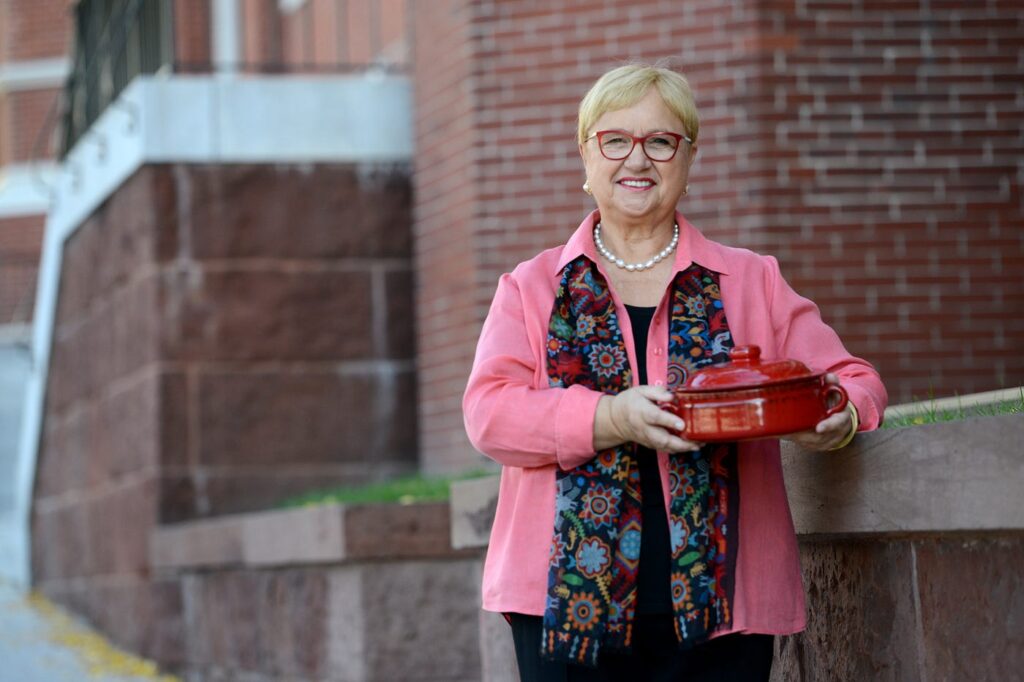
In 1971, Felice and Lidia took the leap. They opened Buonavia — which translates to “good road” — in Forest Hills, Queens.
It started with 13 tables and 32 seats. Nothing grand. Nothing guaranteed.
Felice ran the front of house. He was the face that greeted you at the door, the man who recommended the wine, who chatted with regulars by name, who made the room feel alive. Lidia was in the kitchen, developing the food that would eventually make her famous.
The combination worked immediately. Within two years, Buonavia had expanded to 75 seats. Then it doubled again. Success led to a second restaurant, Villa Secondo, also in Queens.
| Year | Milestone |
|---|---|
| 1966 | Felice and Lidia marry |
| 1971 | Open Buonavia, Forest Hills, Queens (13 tables) |
| 1973 | Buonavia expands; rapid growth begins |
| Mid-1970s | Open Villa Secondo, also in Queens |
| 1981 | Lidia’s father passes; Queens restaurants sold |
| 1981 | Felidia opens in Manhattan |
| 1993 | Becco opens; Joe joins the business |
| ~1997–98 | Felice and Lidia divorce |
| 2010 | Felice passes away, December 12 |
Those Queens years were the foundation of everything. They were also, in many ways, the purest version of what Felice and Lidia built together — a neighbourhood place, full of regulars, built on hard work and honest food.
The Manhattan Dream — Felidia Is Born
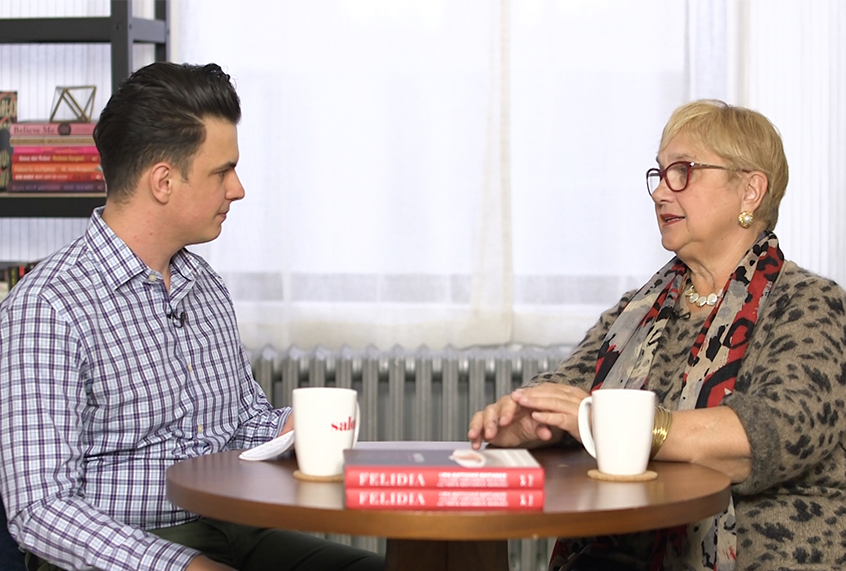
After Lidia’s father died in 1981, they made a decision that most people in their position would have considered reckless.
They sold both Queens restaurants. They took the proceeds. They poured everything — a reported $750,000 in renovations — into a brownstone on East 58th Street in Manhattan.
The name of the new restaurant was a piece of poetry: Felidia. A combination of Felice and Lidia. Two names, one restaurant, one shared dream made permanent.
Felidia opened to remarkable acclaim. The New York Times awarded it three stars. Suddenly, the immigrants from Istria who had started with 32 seats in Queens were running one of New York’s finest Italian restaurants.
Felice’s role at Felidia was significant but often underreported. He was deeply involved in the construction and renovation process, handled financial planning, and continued to manage the front of house. His eye for hospitality — the way a guest should feel from the moment they walked in — was baked into Felidia’s DNA.
He wasn’t the one who ended up on television. He wasn’t the one who wrote the cookbooks. But he was very much there, in the building, making it work.
The Divergence — When Two Visions Begin to Separate
Through the 1980s and into the 1990s, something shifted.
Lidia’s public profile grew rapidly. She became the face of the brand — television appearances, cookbook deals, and eventually her own PBS cooking show. The Bastianich name was becoming synonymous with Lidia’s face, Lidia’s food, Lidia’s story.
Felice, by most accounts, yearned for something different. He was not a man who wanted to be in front of cameras. He wanted to be in rooms — real rooms, with real guests, real food, real conversation. The direction the business was moving in didn’t entirely match the life he had imagined.
When Joe — then in his early twenties — helped push the opening of Becco in 1993, the business shifted even further toward an expansion model that Felice reportedly found difficult to fully embrace.
The couple divorced around 1997 to 1998. The full reasons were kept private, as they should be. But those close to the family have noted that the divergence was as much about life vision as anything else.
What speaks well of both of them is what came after. Felice did not disappear in bitterness. He remained civil with Lidia, attended family events, and quietly transferred his ownership shares to Joe and Tanya. He stepped back, but not in anger. He stepped back with grace.
Felice’s Second Act — Vineyards, Travel, and Returning to His Roots
After the divorce, Felice did not fade into retirement. He launched a culinary travel agency focused on food and wine tourism — bringing Americans to Italy, to the landscapes and tables he had grown up dreaming of returning to.
He began acquiring vineyards in Northern Italy. He remarried. He built a quieter, more personal chapter of his life — one that looked, in many ways, like a full circle back to the Istria he had been forced to leave as a boy.
This part of his life rarely gets written about. There are no headlines, no television segments, no bestseller lists. But it tells you more about who Felice Bastianich really was than any restaurant review ever could.
He was a man who built things. When one chapter ended, he simply started building again.
The Bastianich Children — His Most Enduring Legacy
If Felice’s restaurants were his professional legacy, Joe and Tanya were his personal one.
| Child | Achievements |
|---|---|
| Joe Bastianich | Restaurateur, MasterChef US/Italy judge, winemaker, musician, New York Times bestselling author |
| Tanya Bastianich Manuali | Georgetown graduate, Oxford PhD, executive producer, restaurateur, author |
Felice and Lidia were unified on one thing even as their marriage frayed: their children would go to college. Education was non-negotiable. Both Joe and Tanya were pushed toward academic excellence alongside whatever passion they pursued.
Joe has spoken openly about his parents’ immigrant roots and how their sacrifices shaped his drive. The hunger Felice brought from Istria — the need to build something lasting — found its way directly into his son.
When Joe eventually became a global television personality and a partner in some of the world’s finest restaurants, there was Buonavia in Queens at the root of it all. Felice’s restaurant. Felice’s tables. Felice’s dream, started in 1971 with 32 seats and a very good road ahead.
Death and the Legacy He Left Behind
Felice Bastianich died on December 12, 2010, at the age of 70. The cause was complications from diabetes. He is buried at Saint Michael’s Cemetery in East Elmhurst, Queens — not far from where he and Lidia had first built something from nothing.
His name is literally embedded in Felidia, still one of New York’s most celebrated Italian restaurants. Every reservation made, every dish served, every review written about that place carries the first syllable of his name.
That is not a small thing.
The truth about people like Felice Bastianich is that they rarely get the profiles they deserve, because they were not the ones in front of the camera. They were the ones holding the room together while someone else took the bow. That is not a criticism — it is simply how some people are built.
Felice was built to create. To host. To pour a glass of wine and make you feel, for the length of a dinner, that there was nowhere else in the world worth being.
Frequently Asked Questions
Who was Felice Bastianich? Felice Bastianich was an Istrian-American restaurateur and co-founder of the Bastianich restaurant group. He is the father of Joe Bastianich and Tanya Bastianich Manuali, and co-founded restaurants including Buonavia and the acclaimed Felidia in Manhattan alongside his then-wife Lidia.
How did Felice Bastianich die? Felice Bastianich passed away on December 12, 2010, aged 70, due to complications from diabetes. He is buried at Saint Michael’s Cemetery in East Elmhurst, Queens, New York.
Did Felice Bastianich own Felidia? Yes. Felice was a co-founder of Felidia, which opened in 1981. The restaurant’s name is a combination of his name (Felice) and his then-wife’s name (Lidia). He later transferred his ownership shares to Joe and Tanya following his divorce from Lidia.
Why did Lidia and Felice Bastianich divorce? The couple divorced around 1997 to 1998. The specific reasons were kept private. Those familiar with the family have noted differing visions for the future of the business and personal life as contributing factors.
What did Felice Bastianich do after his divorce? After his divorce, Felice launched a culinary travel agency focused on food and wine tourism in Italy. He also acquired vineyards in Northern Italy, remarried, and lived a quieter but active life before his death in 2010.
Is Felice Bastianich related to Joe Bastianich? Yes. Felice Bastianich is Joe Bastianich’s father. Joe has frequently spoken about his parents’ immigrant roots and their influence on his career in food, wine, and hospitality.
