
When you talk about the most polarizing figures in British business and sport, one name invariably rises to the top of the pile: Simon Jordan. Known for his razor-sharp vocabulary and a “no-nonsense” approach that often leaves his talkSPORT co-hosts speechless, his financial journey—and the constant public fascination with the simon jordan net worth—is as much about resilience as it is about the raw numbers.
As of early 2026, the simon jordan net worth is estimated to sit between £25 million and £40 million. While this is a far cry from the £75 million-plus fortune he amassed in his early thirties, it represents a remarkable recovery. After losing the vast majority of his wealth during the 2010 administration of Crystal Palace FC, Jordan has reinvented himself as a high-value media property, best-selling author, and strategic investor in real estate and emerging sports ventures.
Simon Jordan: Personal Profile & Wiki
| Category | Details |
| Full Name | Simon Jordan |
| Date of Birth | September 24, 1967 |
| Age (2026) | 58 Years |
| Birthplace | Thornton Heath, South London |
| Original Wealth Source | Pocket Phone Shop (Sold for £73m) |
| Current Wealth Source | Media (talkSPORT), Authoring, Property |
| Notable Roles | Former Chairman of Crystal Palace (2000–2010) |
| Latest Work | The Intelligent Person’s Guide to Football (2025) |
| Relationship Status | Partner: Michelle Dewberry |
| Children | 2 |
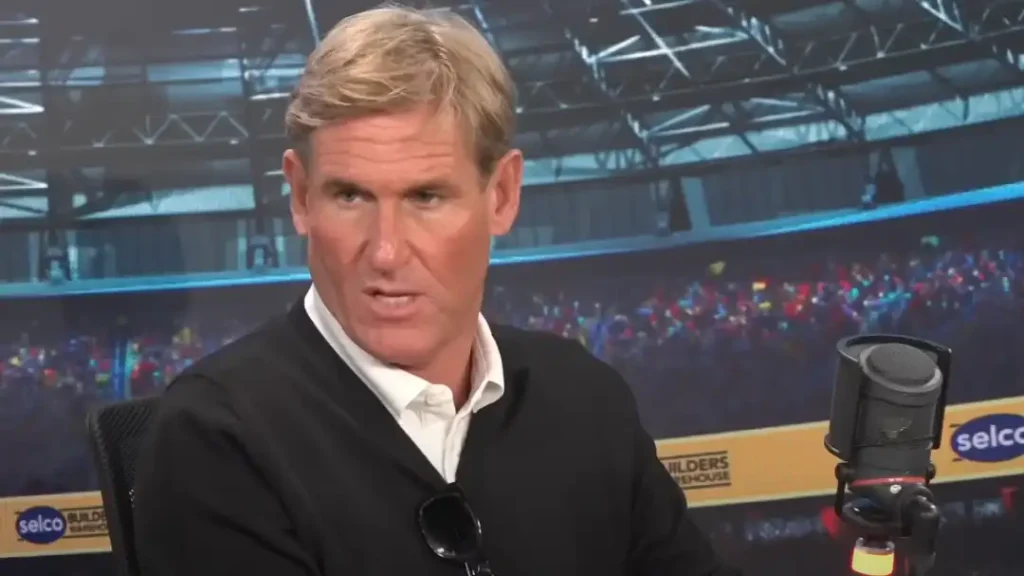
Simon Jordan’s initial wealth didn’t come from an inheritance or a stroke of luck; it was born from a ruthless understanding of the mobile phone boom in the 1990s. Alongside his business partner Andrew Briggs, Jordan founded Pocket Phone Shop in 1994.
At the time, mobile phones were transitioning from corporate status symbols to essential lifestyle tools. Jordan spotted the retail gap. He didn’t just sell phones; he sold the “aspiration” of connectivity.
The £73 Million Payday
By the turn of the millennium, Pocket Phone Shop had expanded to over 150 locations across the UK. In June 2000, Jordan and Briggs sold the company to One2One (which eventually rebranded as T-Mobile) for a staggering £73 million.
As a 50% shareholder, Jordan walked away with roughly £36.5 million in cash at the age of 32. This liquidity allowed him to pivot into his true passion: football.
The Crystal Palace Odyssey: Where Millions Went to Die
In July 2000, just weeks after his massive windfall, Jordan purchased his boyhood club, Crystal Palace, for £10 million. He became the youngest chairman in the Football League and immediately set a five-year goal for Premier League promotion.
While he achieved that goal in four years (winning the 2004 Play-Off final), the financial cost was astronomical. Jordan famously admitted that he “burned through” his fortune trying to keep the club afloat and competitive.
The Anatomy of the Loss
Running a top-flight club in the early 2000s was a financial black hole for owners who weren’t backed by sovereign wealth funds. Jordan’s losses were compounded by:
-
High Wages: Paying Premier League salaries while often receiving Championship-level revenue.
-
Stadium Disputes: The battle to buy back Selhurst Park from former owner Ron Noades cost Jordan millions in legal fees and rent.
-
Lavish Lifestyle: During this era, Jordan was the “poster boy” for excess, owning 18 luxury cars, a £2.5 million yacht, and multiple properties across the globe.
By January 2010, the pressure became too much. The club entered administration, and Jordan’s tenure ended. He didn’t just lose the club; he lost the majority of his liquid net worth.
The Rebuild: 2011 to 2026
Many business figures would have disappeared into the shadows after such a public fall. Jordan, however, used his intellectual capital to rebuild. He realized that while his bank balance had depleted, his brand—as a man who understood the “dark arts” of business—was more valuable than ever.
The talkSPORT Revolution
Since joining talkSPORT, Jordan has become one of the most bankable voices in sports media. His show, White & Jordan, is a ratings powerhouse.
-
Media Salary: It is estimated that Jordan earns a high six-figure annual salary (approx. £450,000 to £600,000) from talkSPORT alone.
-
Digital Reach: His podcast Outspoken and YouTube presence generate significant ad revenue through millions of monthly downloads.
-
The “Marmite” Factor: Advertisers love Jordan because he drives engagement. Whether listeners agree with him or hate him, they stay tuned to hear what he says next.
Current Business Interests in 2026
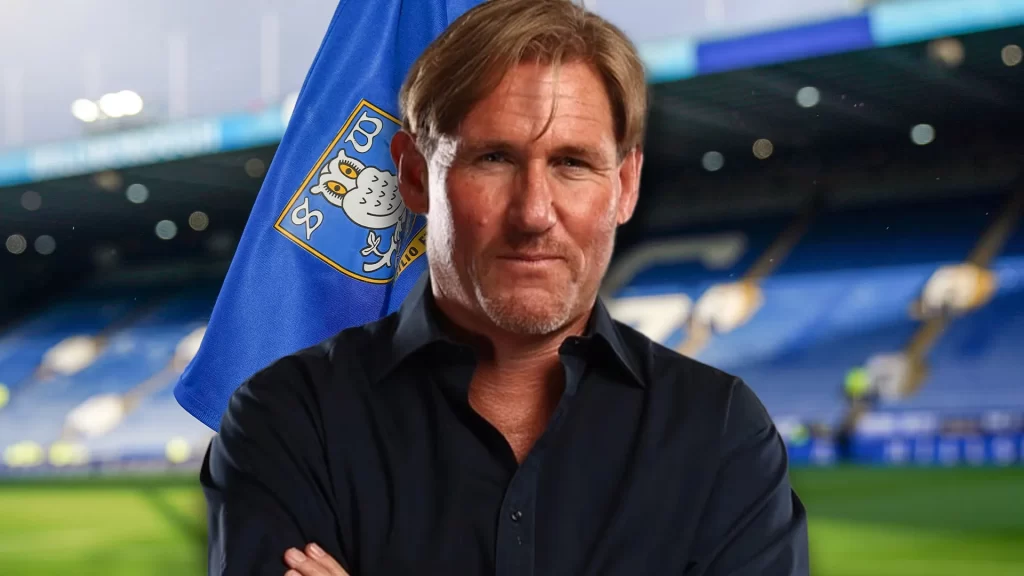
Beyond the microphone, Jordan has diversified his 2026 portfolio to ensure he never faces another 2010-style collapse. He has shifted from “high-risk” football ownership to “high-yield” intellectual property and consulting.
Real Estate & Property
Jordan’s property portfolio remains a significant part of his wealth. He holds residential assets in London and has historically invested in the Spanish property market. Unlike his previous holdings, these are now managed with a focus on long-term appreciation rather than vanity.
Literary Success: The “Intelligent” Author
Jordan’s first book, Be Careful What You Wish For, was a critical and commercial smash, winning multiple awards. In October 2025, he released his highly anticipated follow-up: The Intelligent Person’s Guide to Football.
-
The book serves as a masterclass on how modern football works (from Saudi investment to FFP rules).
-
Royalties and high-priced speaking engagements related to the book have added an estimated £2 million to his wealth over the last 18 months.
The Sheffield Wednesday Saga (2025–2026)
In late 2025, rumors swirled that Jordan was returning to football ownership with a bid for Sheffield Wednesday.
“I have the knowledge of failure and success. I know where the bodies are buried in football finance.” — Simon Jordan on talkSPORT, December 2025.
However, in early 2026, Jordan pulled back from the deal. He cited the “EFL’s prohibitive business climate” and the club’s existing debt structure as reasons to walk away. This decision highlighted the “New Simon Jordan”: a man who now prioritizes fiscal sanity over emotional passion.
Net Worth Comparative Table: 2000 vs. 2026
While Jordan no longer maintains a fleet of 18 supercars, he still appreciates the finer things. His style is characterized by tailored Italian suits and a world-class collection of watches.
The Watch Collection
Jordan is a renowned horology enthusiast. Even after a traumatic robbery in 2018 where he was targeted for his timepiece, he has rebuilt a collection that includes:
-
Patek Philippe (Nautilus models)
-
Rolex (Daytonas and GMT-Masters)
-
Audemars Piguet
In the current market, these assets are not just accessories; they are appreciating investments that add a seven-figure sum to his total net worth.
Personal Philosophy on Money
One of the most “human” aspects of Simon Jordan is his transparency about loss. He frequently speaks about the “hollowness” of wealth if it isn’t matched by purpose. This candor has made him a mentor-figure to many young entrepreneurs who fear failure.
Why Simon Jordan’s Net Worth Matters
For the average reader, Simon Jordan’s net worth isn’t just a number—it’s a barometer for the health of the “outspoken” industry. In an age of PR-managed athletes and safe corporate statements, Jordan represents a “human” brand that cannot be replicated by AI or corporate scripts.
His wealth in 2026 is a testament to the fact that intellectual property and reputation are the most durable currencies in the modern economy.
Key Factors Driving His 2026 Wealth:
-
Exclusivity: One of the few people who can speak with authority on both the boardrooms of the City and the dressing rooms of the Premier League.
-
Diversification: Shifting away from the volatile sports ownership model toward media and authorship.
-
Brand Longevity: He has successfully transitioned from a “flash in the pan” millionaire to a permanent fixture of British culture.
onclusion: A Masterclass in Resilience
Simon Jordan’s net worth of £35 million in 2026 proves that you can lose a fortune and still win the long game. By leveraging his failures as much as his successes, he has created a sustainable financial model built on his most valuable asset: his mind.
Whether he eventually returns to football ownership or continues to dominate the airwaves, one thing is certain: Simon Jordan will never be “bankrupt” of opinions or opportunities.
